Key Takeaways
- AI search citations result from a multi-step process, not simple ranking.
- Discoverability, clear answers, and up-to-date content are key to being cited.
- Authority and machine-readable structure improve citation odds.
- Publisher changes can move the needle for AI visibility, but no single signal dominates.
- Citation patterns differ from classic SEO—understand what AI engines really want.
Introduction
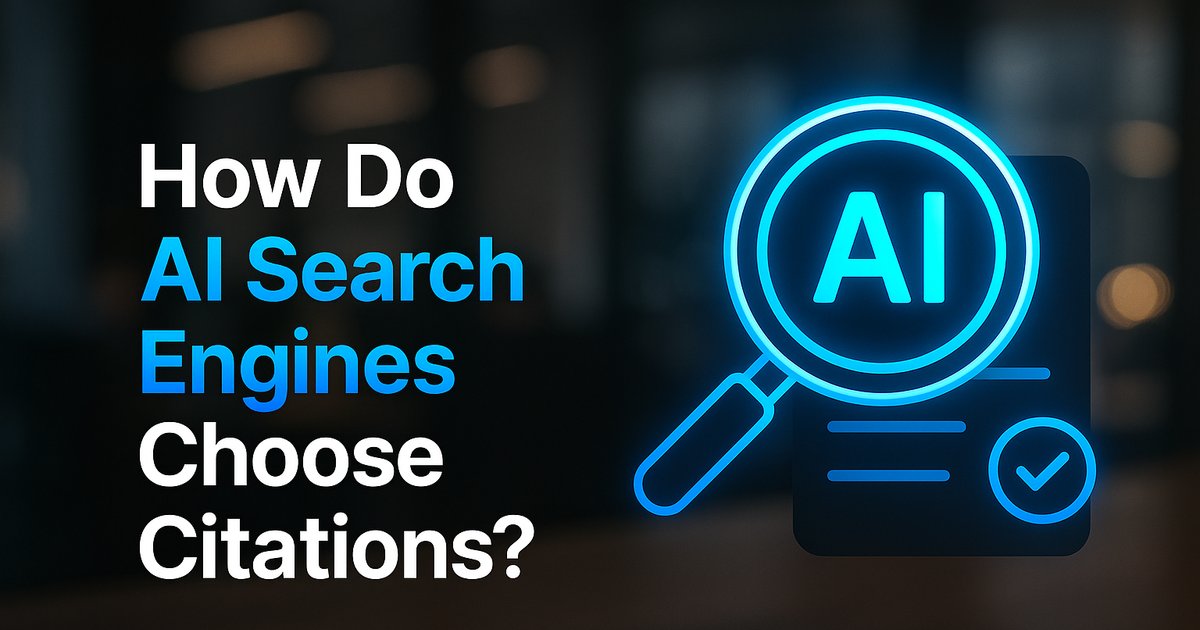
AI search engines do not pick citations by simply ranking sites and linking to the top result. Instead, systems like ChatGPT Search and Bing Copilot retrieve possible answers, analyze passages for relevance, and ground their responses in sources that are crawlable, clear, current, and trusted. This citation process goes far beyond blue-link SEO and focuses on providing text the AI can extract and point users to—meaning your page's structure, clarity, authority, and freshness all matter for citation, not just ranking tricks or schema markup.
Citations in AI search are awarded to sites that have optimized for retrieval and grounding, not just for position in a classic search results page. Think of it as an audition: your site needs to offer direct, easily-extractable answers and up-to-date information, in a format AI models can rapidly scan and understand. If you want to increase your site’s chance of being cited in AI engines, it's critical to know what their algorithms actually value at each step.
AI Search Citations: A Retrieval and Grounding Problem
Unlike traditional SEO, which revolves around ranking higher on search results pages, AI search engines approach citation selection as a retrieval and grounding challenge. The process is not about being #1 in keyword rankings; it is about being selected as the clearest, most relevant, and machine-readable answer for a specific question.
Behind the scenes, the system begins by searching for pages that are discoverable and accessible—sites must allow crawling or risk being invisible to AI models. Then, the engine quickly filters for relevance, topically organized content, and answer clarity. Passages are chosen based on their ability to answer the user's actual query, not just their keyword density or backlinks.
Want help implementing this in your business?
Book a CallThe Citation Pipeline: Discovery to Citation
Think of the AI citation process as a pipeline rather than a ranking contest. First, the search engine's crawler finds and indexes eligible pages—any page that is blocked, orphaned, or poorly structured gets left out immediately. Next is relevance filtering, where passages are only considered if they directly respond to the intent behind the user's question. Only then do authority signals and trust indicators influence which candidates make it further.
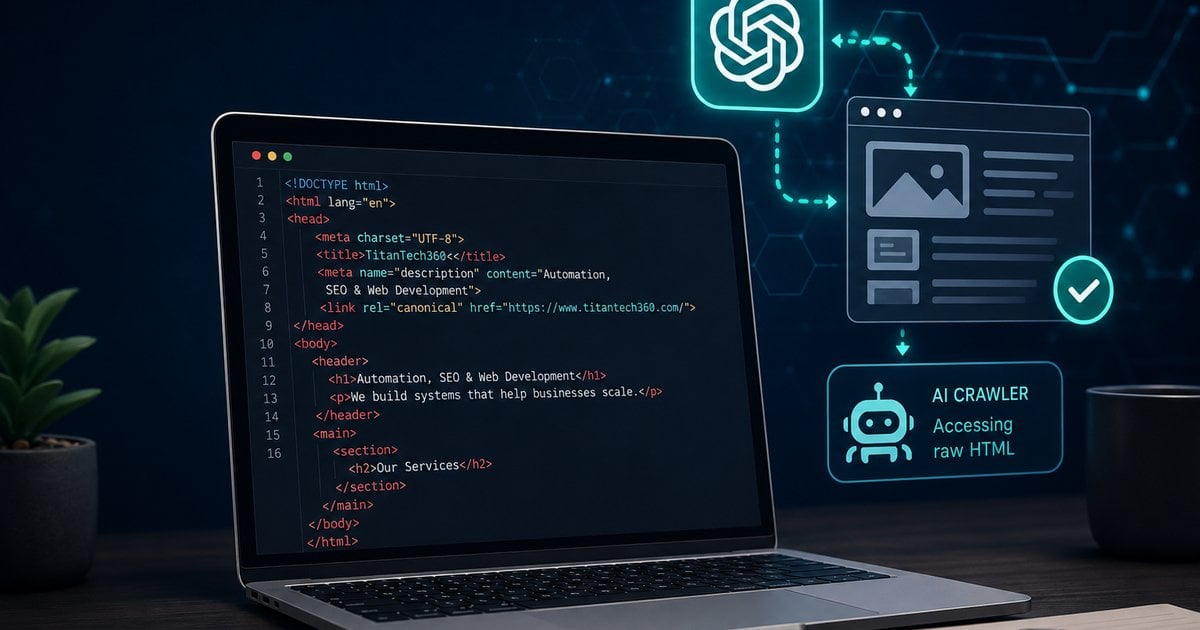
Extractability is a critical step. AI engines favor content that is easily machine-readable—plain HTML text, structured headings, and logical page layouts stand out. Finally, the system weighs the freshness of your content. Pages with outdated details often lose out when the AI synthesizes a response since newer sources provide more current information for users.
What Publishers Can Influence: Key Citation Factors
While proprietary details differ by platform, almost all AI search engines emphasize factors publishers can influence. Discoverability comes first: make sure your pages are not blocked by robots.txt and that all important URLs are crawlable. Relevance requires that your content contain clear, direct answers to likely user questions—use focused passages, organized sections, and visible FAQs where possible.
Authority still counts: a trustworthy, consistent web presence and signals like accurate About pages and visible source attributions help earn credibility. Extractability means favoring clean, plain HTML with strong heading structure, minimal distractions, and dedicated answer zones. Regularly updating content is also essential for staying competitive in fast-evolving queries.
Grounding, Answer Synthesis, and Dynamic Citation
After checking eligibility, relevance, and authority, AI engines extract key passages to ground their answers—meaning each citation points users to the text that best supports the synthesized response. This method highlights why sites with clear, concise, and answer-focused content win more citations compared to broad, keyword-stuffed articles.
Citation isn’t static. With each query, engines reassess which sources best address user needs. Citation share can shift rapidly as content freshness, site visibility, and user intent patterns evolve—especially as models or crawl indices update. Bing’s AI Performance reporting can help publishers track their citation metrics, revealing which queries and topics are driving the most grounded references over time.
AI Search Citations vs. Traditional SEO: What’s Different?
Classic SEO practices like link-building and keyword volume still matter, but they do not guarantee AI citation visibility. Getting cited by an AI answer box or search assistant depends much more on findability, clarity, and present-day relevance than formulaic optimization.
Ranking high on a Google SERP doesn’t ensure that your page is even eligible, much less selected, for AI-derived citations. It’s essential to focus on the elements that make passages easy for AI to retrieve and ground—in other words, build for usability as much as for crawlability.
Measuring and Improving Your AI Citation Visibility
Bing's AI Performance suite gives site owners actionable data on how often their pages are cited by AI, which phrases and queries triggered those citations, and how their site’s visibility is trending. This is not a universal solution—other engines like ChatGPT or Gemini do not provide quite as much transparency—but it helps diagnose which content types and topics are most likely to earn visibility right now.
If you want a deeper dive into boosting AI citation odds, start by focusing on the pipeline steps: improve discovery, write focused answers, clarify your site structure, and keep key materials updated. Consider an AI Search Visibility Audit from an expert team to identify missed opportunities and practical improvements.
Common Misconceptions and What to Avoid
No single factor—like schema markup, adding FAQ sections, or hitting a certain word count—will guarantee AI search citations. The actual process is much more dynamic and context-sensitive than checklist SEO would suggest. Likewise, many publishers mistakenly believe that passing PageRank or classic SEO scoring puts them on an equal citation footing with competitors. In reality, citation selection is driven by eligibility and answer extractability first, not placement in search rankings.
Always ground your optimization efforts in what real AI engines look for—clear, crawlable, and current content that directly answers specific questions—rather than guessing at 'secret' ranking factors.
Conclusion
AI search citations are won by sites that blend discoverability, relevance, authority, clear structure, and freshness. Approaching AI search optimization as a retrieval and grounding challenge, not just as a traditional ranking problem, gives you a significant advantage when targeting AI-driven search experiences. For most B2B companies, investing in these areas is the fastest, most practical way to improve AI visibility and grow digital authority.
If you’re ready to see how your site performs in the new world of AI search, request an AI Search Visibility Audit from TitanTech360 to get a practical, step-by-step roadmap to higher citation rates and greater AI-driven reach.
Frequently Asked Questions
Ready to Put This Into Practice?
Let's talk about where your business stands today and what to fix first.
Book a Call