Key Takeaways
- A completed website change, search visibility and qualified demand are different milestones.
- Timelines depend on the starting point, competition, implementation and customer demand.
- Use checkpoints to investigate progress rather than promise rankings by a fixed month.
Introduction
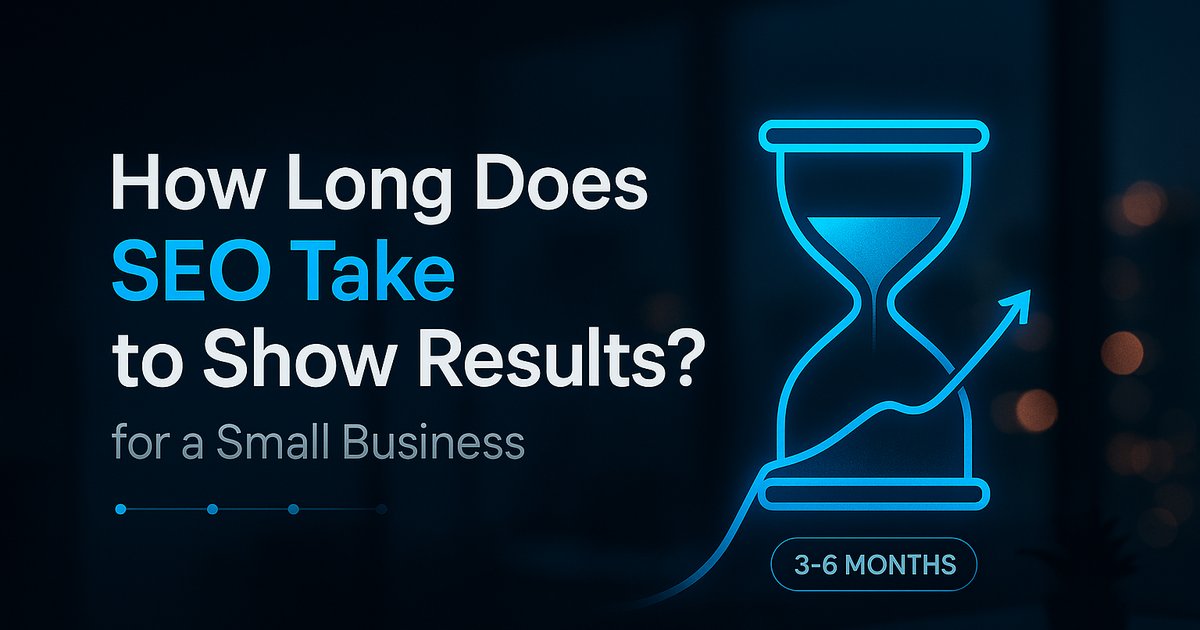
SEO can take months to produce a meaningful business outcome, but there is no month-by-month schedule that applies to every small business. Fixing an access problem may change what a crawler can see quickly. Earning sustained visibility for a competitive service can take much longer. A site can also gain impressions without producing more qualified inquiries.
The useful approach is to agree on milestones and inspect the evidence at each one. Separate what your team controls, such as publishing and testing a better page, from what search systems and customers decide. This makes a slow period easier to diagnose and prevents a ranking promise from becoming the only way to judge the work.
Separate implementation from search and sales outcomes
A page is not improved merely because a task was marked complete. First verify the live change. Then check whether the page can be discovered and indexed as intended. Search visibility and customer response come later and need enough data to evaluate.
Google’s guidance on working with an SEO describes SEO as a process that takes time. That is an expectation-setting guide, not a forecast for an individual site.
- 1
Change is live
The page, link or technical repair behaves as intended.
- 2
Discovery is checked
Access and indexing evidence are reviewed.
- 3
Relevant visibility develops
Queries and clicks are examined for the intended service.
- 4
Qualified demand is assessed
Inquiries and booked work are checked against customer fit.
Milestones can overlap or need to be revisited. The diagram does not promise a fixed duration or a ranking result.
Want help implementing this in your business?
Book a CallWhat can make progress slower
A new website may have little existing discovery or demand evidence. An established site may have conflicting pages, technical restrictions or outdated claims. Competitive services, slow approvals and incomplete implementation can also delay a meaningful test.
Do not assume that local work is always faster. Local versus national SEO explains why the actual market and service matter more than a broad label.
Use diagnostic checkpoints instead of a guaranteed timeline
If a checkpoint fails, investigate the preceding step before adding more content. More publishing will not fix a contact form that discards inquiries or a page blocked from indexing.
Swipe or scroll the table to see all columns.
| Observation | Question to investigate | Useful next action |
|---|---|---|
| Change is not live | Was implementation or approval completed? | Assign the missing step and verify deployment |
| Page cannot be indexed | Is an access or indexing control intentional? | Inspect the URL and correct unintended restrictions |
| Impressions grow but relevant clicks do not | Does the page match the query and result presentation? | Review query fit, title and answer quality |
| Relevant visits rise but inquiries do not | Can suitable visitors understand and use the offer? | Test mobile layout, CTA and form completion |
| Inquiries rise but do not fit | Is targeting or qualification too broad? | Review service geography and page promises |
Review the trend without overstating causation
Use comparable periods and keep track of releases, other campaigns and seasonal demand. Small numbers can swing sharply, so report counts alongside percentage changes. A jump from one inquiry to two is a doubling, but it is still only one additional inquiry.
Agree on when to reconsider the strategy. That review should examine implementation quality, intent, competition and customer response rather than repeat the same tasks indefinitely.
Conclusion
A responsible SEO plan provides a sequence of work and evidence, not a date by which a search engine must deliver customers. Confirm the changes, review discovery and relevant visibility, then connect that evidence with qualified inquiries. When a step fails, use it to choose a focused investigation.
Our SEO campaign process explains the operating cycle. If you need help reviewing a stalled campaign, bring the change log and current reporting to a discussion about SEO services. They make it easier to distinguish a measurement problem from a problem with the work itself.
Frequently Asked Questions
Can you promise results within three months?
No. A useful plan can promise defined work and review points, but not a search position or customer outcome by a fixed date.
What if impressions improve but leads do not?
Check query relevance, visits to the right pages, offer clarity and the inquiry path. Visibility and qualified demand are different milestones.
Should we publish more if progress is slow?
Only if missing content is the problem. Check access, implementation, customer intent and conversion before increasing volume.
Ready to Put This Into Practice?
Let's talk about where your business stands today and what to fix first.
Book a Call