
Key Takeaways
- Local SEO connects your business with people searching within the area you actually serve.
- Accurate business information, useful service pages and genuine customer reviews work together.
- Measure qualified inquiries and completed bookings, not just map positions or profile views.
Introduction
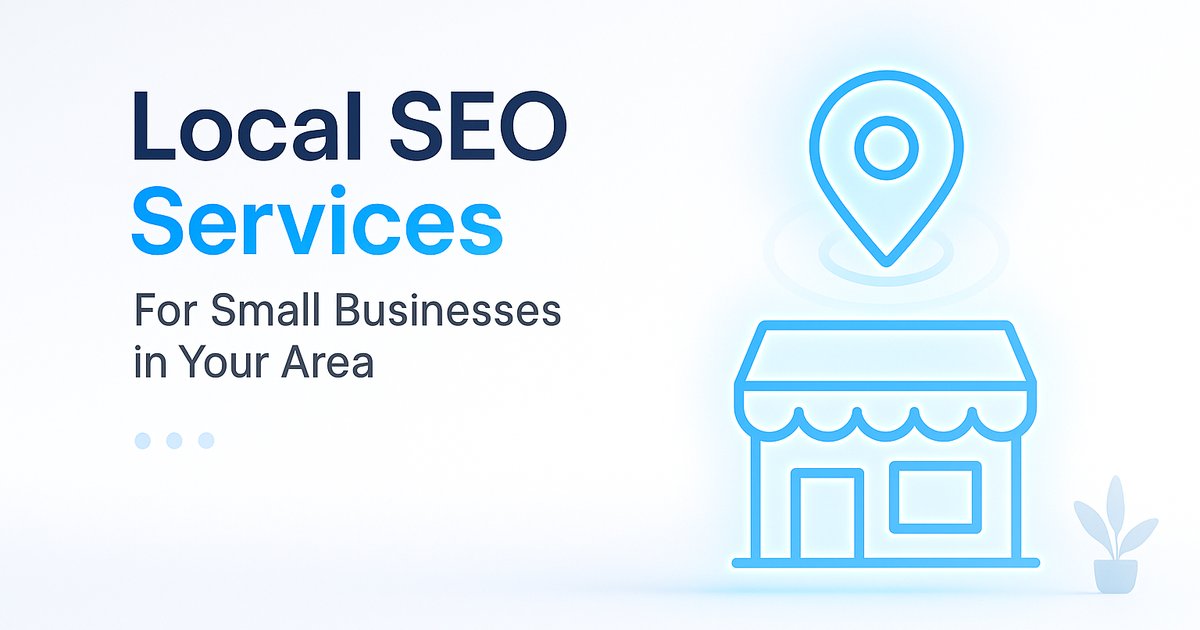
Local SEO services help nearby customers find and evaluate your business in Google Search and Maps. The work usually combines Google Business Profile management, accurate business listings, useful service pages, review practices and measurement. It is especially relevant when customers visit your location or you travel to theirs. A business that operates entirely online needs a different assessment rather than a profile created solely to chase map rankings.
Start with the area you can reliably serve and the services you want to sell. A contractor covering three neighboring cities needs a different plan from a retailer with one storefront. Our guide to local versus national SEO explains that choice. The goal is a clear path from a relevant search to a real inquiry, not a promise to outrank every competitor.
What a local SEO service should actually deliver
Ask for specific deliverables and account access. Business hours, categories, contact information and service areas should match how the business really operates. Location pages should explain genuine differences in service, availability or customer needs rather than repeat the same copy with a different city name.
Swipe or scroll the table to see all columns.
| Work area | Useful deliverable | How to check it |
|---|---|---|
| Business Profile | Accurate categories, hours, services and eligible location information | You retain ownership and can review the live profile |
| Website | Clear service pages, contact details and relevant location information | A customer can identify coverage and request help |
| Listings | Corrections to important inaccurate business listings | A record of the directories and changes |
| Reviews | A consistent request and response process | Requests are genuine, with no invented or purchased reviews |
| Measurement | Tracked inquiries and monthly completed work | A report connects activity with qualified leads |
Want help implementing this in your business?
Book a CallWhy proximity and relevance matter
Google describes local ranking in terms of relevance, distance and prominence. You can improve the accuracy and usefulness of your information, but you cannot choose where the searcher is or purchase a better organic local position. See Google’s local ranking guidance.
That is why a single ranking screenshot is weak evidence. Compare queries, locations and devices consistently, and record whether the resulting inquiries are inside your service area. More calls are not automatically better if most are for work you cannot accept.
Measure the customer journey
Separate discovery from business results. Profile interactions and website clicks show interest. A qualified inquiry confirms that the person needs a service you provide. A booked consultation or accepted estimate moves the inquiry closer to revenue.
Use tagged links on external profile links where appropriate, then connect website inquiries with your sales records. A phone-button click is not proof of a completed conversation; label each metric according to what it actually records.
- 1
Relevant search
A person searches for a service in an area you cover.
- 2
Business evaluation
They review your profile, services, reviews and website.
- 3
Qualified inquiry
They contact you with a need you can serve.
- 4
Booked work
Your team follows up and records the outcome.
Choose a provider and agree on the first scope
Compare the work included, approval process and reporting rather than choosing by a headline monthly price. Our SEO pricing guide provides a scope comparison worksheet. There is no universal local SEO budget or date by which a map position must appear.
A useful first engagement identifies access problems, fixes inaccurate information, improves a priority service page and establishes an inquiry baseline. Ask what happens if the first findings require development work or reveal that tracking is incomplete.
Conclusion
Begin with a verified picture of your current local presence: correct information, customer-friendly service pages, genuine reviews and a working inquiry path. Then decide which issues matter most to the business you want to attract. A reliable provider should explain the changes, document the work and distinguish visibility from qualified demand.
If you need help prioritizing, review our SEO services and bring your service area, current website and most important customer questions to the conversation. Those inputs make the first plan more useful than a generic promise about rankings.
Frequently Asked Questions
Do I need a separate page for every nearby city?
Only when the page provides genuinely useful, distinct information for customers in that area. Duplicating a service page and swapping city names adds little value.
Can a provider guarantee a map position?
No. Searcher location, competitors and Google’s systems affect the result. Request documented work and business outcomes instead.
What should I measure first?
Confirm that your form, booking and phone inquiry paths work. Then record qualified inquiries, their source and the work they produce.
Ready to Put This Into Practice?
Let's talk about where your business stands today and what to fix first.
Book a Call